
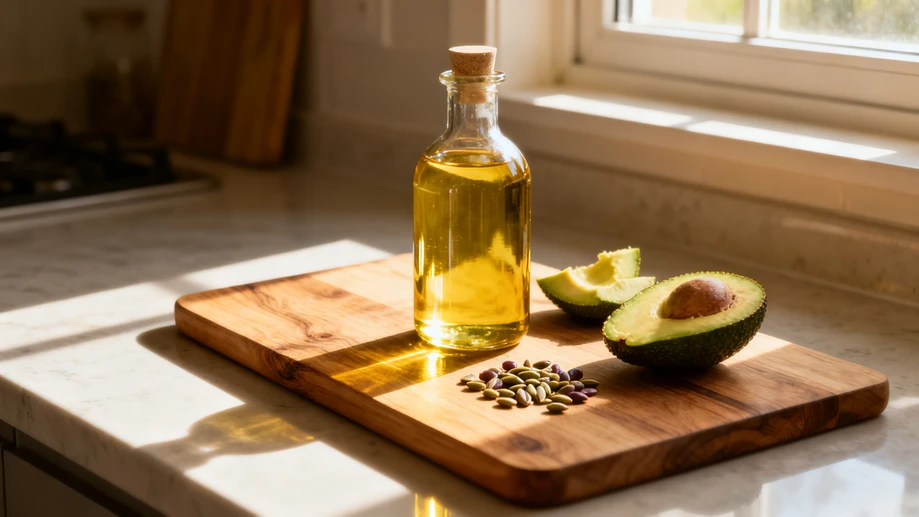
Did You Know This Household Item Could Replace Your Face Serum?
Unlock the skin-plumping secret hiding in your kitchen pantry with this surprising yet effective everyday ingredient swap.
Forget expensive beauty counters or complicated routines – sometimes the most powerful skincare solutions are already sitting in your cupboard. While serums with fancy labels promise miraculous transformations, a humble kitchen staple delivers comparable hydration at a fraction of the cost. This isn't about magic potions but simple science: certain edible oils possess molecular structures remarkably similar to our skin's natural lipids, allowing them to penetrate deeply and reinforce the moisture barrier effectively. The key lies not in extravagance but in understanding the synergy between everyday biochemistry and epidermal needs.
Transitioning smoothly from theory to practice, let's explore why this accessible alternative might outperform specialized products. Rich in fatty acids like linoleic acid and oleic acid, these plant-based oils mimic sebum composition, seamlessly integrating with your skin's protective layer. Unlike some commercial formulations loaded with fillers or alcohol, pure culinary oils deliver concentrated nourishment without clogging pores or causing irritation. Their occlusive properties create an invisible shield that locks hydration into parched cells – ideal for combating dryness from indoor heating or harsh weather. This straightforward approach bypasses complicated ingredient lists while addressing fundamental moisture deficiencies.
Applying this knowledge requires minimal effort but yields maximum impact. Begin with freshly cleansed, slightly damp skin to enhance absorption. Dispense three drops into your palms, warming the oil before gently pressing – not rubbing – onto your face and neck. The dampness acts as a conductor, helping the oil bind water to the skin's surface while reinforcing lipid bonds in the stratum corneum. For an extra revitalizing boost, try chilled application; refrigerating the oil briefly firms application and reduces morning puffiness. This technique harnesses thermal dynamics to stimulate circulation while the oil's emollients smooth fine lines instantly.
Naturally, results vary based on your unique skin chemistry and oil selection. Lighter options like grapeseed or jojoba suit oily or combination skin, balancing sebum production without greasiness. Meanwhile, richer choices such as avocado or olive oil deliver intense relief for mature or dehydrated complexions. Conduct a patch test behind your ear before full-face application to ensure compatibility. When stored properly in dark glass bottles away from heat and sunlight, these oils maintain potency for months. Unlike synthetic serums containing stabilizers, their natural shelf life reflects pure, unadulterated quality that benefits both skin and sustainability goals.
Beyond superficial hydration, this method offers broader physiological advantages. Consistent use strengthens the moisture barrier's resilience against pollutants and blue light exposure. Evidence suggests specific fatty acids trigger cellular renewal processes and even regulate inflammatory responses – advantages rarely touted on drugstore serum packaging. Integrating this into nightly routines capitalizes on skin's reparative cycle; enhanced absorption during sleep amplifies restorative effects. By prioritizing simplicity and efficacy over marketing gimmicks, you reclaim control over skincare while discovering that true nourishment often comes not from laboratories but from nature's pantry.