
Skin Savvy: The Science Behind Your Daily Ritual
Decoding the Essentials for Radiant Skin
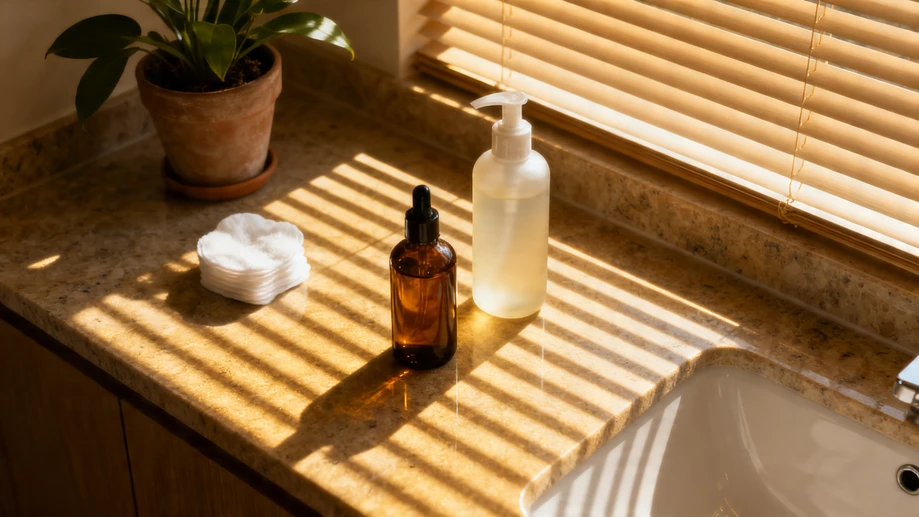
Step into any thoughtfully curated bathroom, and you'll likely find a small collection of vessels standing sentinel on a clean, well-lit surface. These bottles and jars, often crafted from frosted glass or minimalist plastic, hold more than just lotions and potions; they contain carefully formulated solutions designed to interact harmoniously with your skin and its environment. The efficacy of these skincare products isn't solely determined by their active ingredients; it's deeply intertwined with the physical space they inhabit and the atmospheric conditions surrounding them. Understanding this interplay transforms routine application into a mindful act of self-care, grounded in the practical science of everyday living.
Consider the humble cleanser, typically residing near the sink. Its performance is subtly influenced by the very water it mixes with. Hard water, rich in minerals like calcium and magnesium, can reduce the lathering ability of surfactants and leave a film on the skin, potentially diminishing the cleanser's intended effect and leading to tightness. Conversely, soft water allows cleansers to perform more efficiently. The ambient humidity levels play a crucial role too. On a steamy morning after a shower, when humidity is high, applying a lightweight hydrating serum or gel-based moisturizer allows the skin to absorb moisture effectively without feeling overwhelmed. The warm, moist air naturally aids in hydration, making the product work smarter.
Moving from cleansing to treatment, serums and targeted solutions find their place alongside cleansers. These potent formulas, often housed in dark glass bottles to protect light-sensitive ingredients like Vitamin C or retinol derivatives, demand a stable environment. Exposure to direct sunlight streaming through a nearby window or the consistent heat radiating from a poorly ventilated cabinet can degrade these active compounds, rendering them less effective long before their expiration date. Storing them in a cool, shaded drawer or a dedicated shelf away from heat sources and bright light preserves their integrity. The surrounding air quality matters as well; consistent ventilation helps prevent product contamination, ensuring the delicate balance of preservatives remains effective.
Moisturizers and creams, the final step in many routines, act as the skin's protective barrier. Their texture and composition should ideally mirror the demands of the immediate climate. In a dry, centrally heated bedroom during winter, a rich, emollient cream containing occlusives like shea butter or ceramides creates a vital shield against moisture loss, its heavier texture feeling comforting and necessary in the arid air. Contrast this with a humid summer evening where the same cream might feel suffocating. Here, a light, breathable lotion or gel-cream hybrid, perhaps featuring humectants like glycerin or hyaluronic acid, provides essential hydration without trapping excess heat or moisture against the skin, feeling perfectly in sync with the muggy atmosphere.
Sun protection deserves its own consideration, often placed near the exit for a final application before stepping outside. The choice of sunscreen – whether a fluid lotion, a lightweight milk, or a mineral-based stick – and its level of protection (SPF/PA rating) should directly correlate with the intensity of sunlight anticipated. A sunscreen designed for intense beachside UV radiation feels excessive and potentially pore-clogging for a day spent mostly indoors near a north-facing window. Conversely, relying on a low-SPF moisturizer during a high-altitude hike offers inadequate defense. The product's placement and performance are intrinsically linked to the environmental challenge it faces beyond the threshold. The ambient temperature also influences application; very thick creams can become greasy in high heat, while lighter fluids might feel insufficiently protective in extreme cold or wind.
Ultimately, navigating the world of skincare transcends simply acquiring products; it involves cultivating an awareness of how these formulations interact with the tangible world around them. From the water flowing from the tap to the humidity clinging to the air, from the sunlight filtering through a window to the temperature fluctuations of the seasons, the environment actively participates in the skincare ritual. Choosing products whose formulations respect these conditions and storing them thoughtfully within their designated spaces ensures they perform as intended. This mindful approach, appreciating the subtle science within the familiar surroundings of the bathroom shelf or dressing table, unlocks the true potential for achieving and maintaining healthy, resilient skin. The harmony between product, place, and prevailing conditions is the unsung hero of an effective skincare practice.