
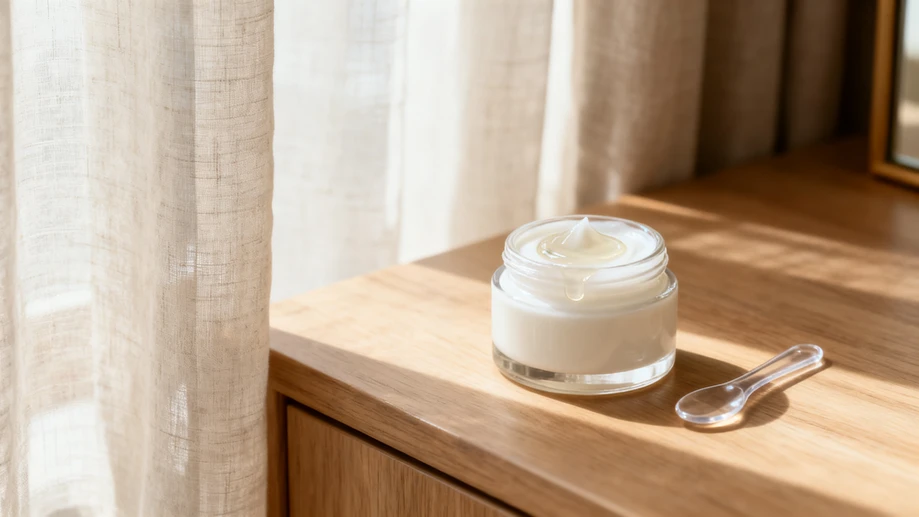
The Thin Oily Translucent Film That Often Forms On Top Of Opened Face Cream Is Not A Sign That The Product Has Gone Bad
This little known cosmetic fact explains what that mysterious floating layer really is, how it forms, and the simple ways you can properly handle it to keep your skincare routine safe and cost effective
Most casual skincare users have had this awkward moment before: you twist open a jar of moisturizing face cream that you have been using for less than a month, only to find a thin, glossy, translucent layer of light yellow oil spread across the top of the creamy texture, and the first thought that pops up in your head is that the product has oxidized, gone bad, or been contaminated by bacteria, so you immediately dump the entire jar in the trash can without second thought. Countless beauty tutorials and social media posts have even listed this exact phenomenon as one of the top signs you need to throw away your skincare products right away, leading millions of people to discard perfectly usable cream every year, generating huge amounts of unnecessary household waste and extra daily expenses that could have been completely avoided. Few people stop to verify the authenticity of this widely circulated claim, which comes from a complete misinterpretation of a very normal physical change in common cosmetic cream formulas.
This thin surface oil layer is called "syneresis" or "sweating" in the cosmetic formulation industry, and it does not come from the oxidation or decomposition of active ingredients, but from the slight separation of lipophilic components in the emulsion system. Almost all face cream products on the market are made with an emulsification process that mixes water-based ingredients such as hyaluronic acid extract, plant hydrosol and soluble vitamins with oil-based ingredients such as shea butter, squalane, jojoba oil and plant-derived emollients, using emulsifiers to lock the two immiscible phases together into a smooth, uniform paste. This stable balance is not completely permanent, and small impacts such as frequent temperature fluctuations, long-term exposure to direct sunlight or minor vibrations during carrying can cause tiny oil molecules that are lighter than water to slowly float to the very top of the jar, forming that thin, uniform oily film that confuses most users.
It is extremely important to distinguish this harmless normal change from real product spoilage, and the two scenarios have very clear distinguishing features that anyone can identify within ten seconds. The harmless surface oil film is always only one to two millimeters thick, covers the entire top layer of the cream evenly, the color of the oil is consistent with the natural oil phase of the product, the scent does not change at all from the first day you opened the jar, and the cream below the surface layer remains smooth, uniform, free of lumps or discoloration. Real spoilage that renders the product unusable will show signs such as complete separation of water and oil across the entire jar, curdled paste texture that cannot be mixed back to a smooth state, obvious sour or rancid odor, patches of green, black or white mold spots, and noticeable yellowing or browning of the originally pale cream texture, which usually occurs only after the jar has been left open for more than half a year, or contaminated with large amounts of residual water and bacteria when users dip wet fingers into the product repeatedly.
There are also a series of small, easy adjustments you can make to your usual skincare storage habits to reduce the occurrence of this harmless oil film, so you no longer have to face the awkward little surprise every time you open your cream jar. The most common mistake people make is storing all their face cream jars on the open shelf in the bathroom, where the temperature can swing from 15 degrees Celsius to more than 40 degrees Celsius in a few minutes when someone takes a hot shower, and the constant temperature shocks will break the weak balance of the emulsion system far faster than normal room temperature storage. You can move all your unopened and opened cream products to a dry, cool countertop in your bedroom away from direct sunlight, and use a small clean plastic or silica spatula to scoop out the required amount of product every time instead of dipping your fingers directly into the jar, which will also reduce the risk of microbial contamination far more effectively than any expensive preservative added to the product formula.
Many cosmetic brands have even adjusted their product formulas in recent years by adding extra thickeners and stabilizers to completely eliminate the possibility of this thin oil film appearing, for the sole purpose of avoiding consumer panic and bad reviews, but few of these brands mention that the extra added thickeners do not provide any actual nourishing or moisturizing benefits to the skin, and may even clog pores for people with oily or combination skin types, leading to unexpected breakouts that have no obvious cause. Next time you open a cream jar and find that thin glossy oil layer on the surface, you do not need to throw away the entire product immediately, just scrape off the thin top layer with a clean spatula, and the rest of the cream will work just as well as the day you first opened it, no negative effects on your skin will appear as long as there are no signs of real spoilage.