
A largely underrated lip makeup trick can make your favorite lipstick stay put for up to six hours without drying out your delicate lip skin
This simple zero-cost step works for every lipstick formula from sheer tinted balms to high-pigment matte sticks, and it avoids the caked flaky texture that most conventional lip setting methods cause
Most people who wear makeup regularly have run into the same awkward scenario: you spend five minutes carefully applying your ideal lipstick shade before heading out the door, take your first sip of warm coffee at the office, and find a full bright lipstick ring printed on the rim of the cup right in front of your colleagues. For decades, makeup lovers have tried all kinds of hacks to fix this problem, from swiping on thick layers of lip liner all over the lips before applying lipstick to spritz layers of setting spray directly on the lip surface, but most of these methods end up leaving lips feeling tight, flaky after an hour of wear, or even caking into fine lip lines to make the whole look dull and unflattering. Many people eventually give up on the idea of long-wearing lip makeup entirely, accepting that they have to reapply lipstick every two hours and avoid any drinks or food that might smudge their carefully finished look.
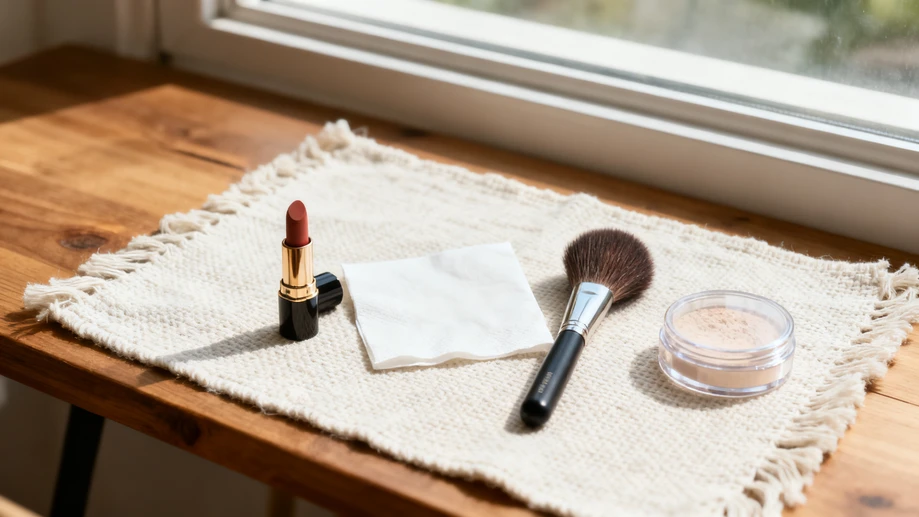
The underrated trick that solves almost all these pain points does not require any special new cosmetic products, and it only adds 15 extra seconds to your whole lip makeup routine. All you need after finishing your first even layer of lipstick is a piece of unscented plain facial tissue, a fluffy large powder brush you normally use for face setting, and the same translucent loose powder you already have on your vanity. You first peel the tissue apart into a single ultra-thin layer, lay this thin sheet softly over your entire lip area without pressing hard to smudge the lipstick underneath, then dab your fluffy powder brush into the loose powder and wipe off all excess product on the edge of the powder container, until you can barely see any powder residue on the bristles. Next you gently sweep the bristles across the full surface of the thin tissue covering your lips, then remove the tissue and apply one more thin even layer of lipstick on top, and that is the entire process.
The principle behind this tiny trick that makes it work far better than directly brushing loose powder on top of lipstick is the ultra-thin tissue barrier that prevents large clumps of loose powder from mixing with the oil and wax components in your lipstick. When you brush the powder directly onto lipstick, the fine powder particles bind with the greasy base of the lip product immediately to create a thick, uneven crust that looks flaky and feels uncomfortable on the lip surface. With the thin tissue in the middle, only the tiniest, most dispersed powder particles can pass through the micro gaps of the paper to settle on the top of the lipstick, creating an almost invisible fine powder network that locks the pigment in place without disrupting the smooth, creamy texture of the lipstick layers underneath. The final result you get is a lip surface that still has the soft, slightly glossy finish of your original lipstick, with none of the chalky, dry feeling that regular lip setting methods leave behind.
People with different lip conditions can also make tiny adjustments to this trick to get the best possible results for their own needs. If you have naturally dark lip tones that always make sheer light lipstick shades turn out darker than the swatches you see online, you can swipe a tiny amount of leftover product on your used foundation puff across your lips as a light color corrector before you apply the first layer of lipstick, and the subsequent setting trick will help this light base stay in place so the final shade matches your expectation perfectly. If you have deep visible lip lines that often catch excess lipstick and create a messy feathered look, you can apply a thin layer of nourishing lip balm as an overnight mask the night before your makeup day, and wipe away all dead skin on your lips with a damp cotton pad right before you start your lip makeup routine, this trick will help the pigment stay evenly spread on the smooth lip surface instead of sinking into the fine lines.
Many people worry that applying loose powder near their lips will lead to them ingesting unsafe cosmetic ingredients, but this concern is completely unnecessary for standard daily use. The amount of powder that passes through the thin tissue onto your lip surface is so small that you cannot even see any white residue left on your lips after you remove the tissue, and the total amount you might accidentally ingest through casual eating or drinking is a tiny fraction of the amount of loose powder you normally apply on the rest of your face every day. The finished lip makeup created with this trick can easily last through a full workday of drinking hot beverages, eating light snacks and talking for hours, without leaving obvious smudges on cups or messy uneven patches on your lip surface. You will only need to touch up a tiny amount of lipstick after a full meal to restore the exact same fresh look you had when you first finished your makeup in the morning.