
Beauty in Residence
How Cosmetics Harmonize with Everyday Spaces
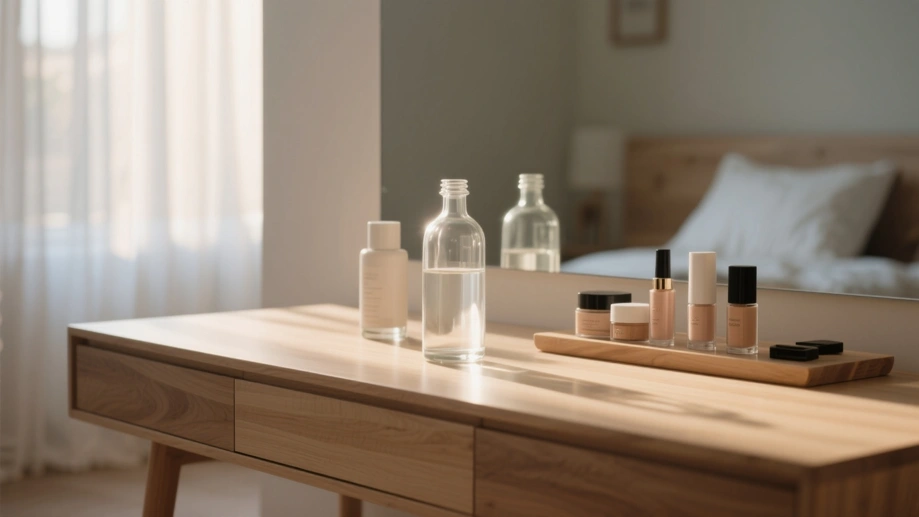
Step into any contemporary home, and you’ll find cosmetics integrated as naturally as kitchenware or bookshelves. These silent residents occupy curated spots—bathroom counters with moisture-resistant surfaces for serums, climate-controlled cabinets for fragile oils, and vanity trays placed strategically beneath natural light. Modern packaging design consciously considers spatial relationships: cylindrical foundations stand clustered like architectural columns, matte-finish compacts nestle flush within drawers, and slender lipstick casings line up in shallow valets. This spatial choreography prevents visual chaos while creating zones for cleansing routines, makeup application, or therapeutic indulgence. The magic lies not merely in storage solutions but in how these objects dissolve into the domestic backdrop, simultaneously accessible yet unobtrusive.
The relationship between cosmetic containers and their environments follows functional elegance. Skincare potions inhabit humid bathrooms with materials resisting steam warping, while powders and pressed foundations thrive in dry bedroom vanities away from moisture. Natural materials increasingly dominate: bamboo organizers complement organic cotton towels, glass dropper bottles mimic apothecary jars beside ceramic sinks, and recyclable aluminum compacts nestle among stoneware cups. Even lighting plays a role—LED-lit mirrors calibrate hues for accurate application without clashing with warm pendant fixtures. This deliberate integration transforms functional items into decorative accents, where a gradient of amber facial oils in sleek bottles beside terrazzo countertops feels both practical and aesthetically harmonious. Homes increasingly treat cosmetics not as clinical tools but as elements of domestic artistry.
Behind the spatial poetry exists tangible science worth appreciating. Air-tight pumps on moisturizers aren’t just luxuries—they preserve active ingredients by limiting oxidation, crucial when products occupy sunlit windowsills. Magnetic compacts snapping shut prevent spills inside handbags, while frosted UV-filtering containers shield botanical extracts from light degradation on open shelves. Weighted glass foundations provide stability on shaky subway commutes yet sit solidly atop floating vanities. Even applicator designs matter: sculpted ergonomic handles maneuver comfortably near mirrors, angled eyeliner caps prevent smudging on bathroom textiles. These innovations bridge chemistry with environmental compatibility, proving smart packaging enhances both preservation protocols and spatial tranquility.
Contemporary homes demand sustainable coexistence, prompting cosmetic evolution toward material integrity. Refillable vessels gain traction—glass core reservoirs click into reusable silicone sleeves reducing landfill contributions. Solid shampoo bars eliminating plastic bottles pair seamlessly with pebble soap dishes in shower niches. Water-soluble capsules dissolve without residue when replacing liquid toners. Brands adopt bamboo compacts decomposing within a year versus petroleum derivatives lasting centuries. This material mindfulness extends beyond recycling: biodegradable glitter washes harmlessly down drains, plant-based preservatives eliminate aquatic toxins, and soy inks printed on recyclable boxes avoid contaminating paper streams. Each incremental shift lightens ecological footprints without compromising routines within modern spaces.
Technology subtly elevates this environmental symbiosis. Smart sensors inside moisturizer bottles track usage patterns via apps to remind refills before waste occurs. Temperature-controlled drawers stabilize active serums preventing potency loss. Voice-activated lighting adjusts brightness levels during midnight skincare routines without blinding glare. Apps scanning ingredient lists instantly cross-reference recycling facilities nearby. These integrations feel invisible yet powerful; they ensure products work efficiently within environments—alleviating forgetfulness about expiry dates or streamlining inventory management. The real brilliance hides in how such tech avoids disrupting spatial harmony: minuscule LED indicators glow only when batteries need replacing, maintaining visual serenity beside folded linen towels.
Ultimately, cosmetics embody beauty’s elegant duality: objects serving purpose while enhancing space’s spirit. Arranging them isn’t about rigid organization but fluid dialogue between living patterns and physical environments. Every curation reflects personal rhythms—nightly rituals witnessed by a bedside hydrating mist, weekly pampering signaled by heated lash curlers near bathtubs. As materials grow smarter and designs more intentional, cosmetic objects become trusted companions seamlessly embedded in domestic narratives. They require no spotlight yet radiate quiet charisma—proof that functionality and grace can coexist beautifully when we allow ordinary spaces to honor life’s intricate routines.