
The Silent Guardians: Unveiling the World of Skincare
Exploring the Science and Art Behind Everyday Beauty Rituals
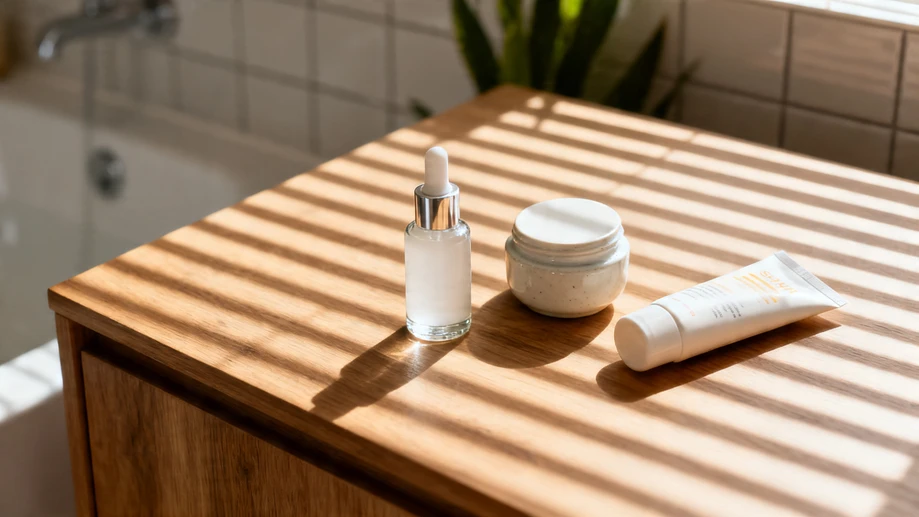
Morning light filters through a bathroom window, catching the elegant curves of glass serum bottles and minimalist cream jars arranged on a marble countertop. These unassuming vessels hold complex formulations designed to interact with the body's largest organ. Skincare products exist at the intersection of biology and chemistry, developed through years of research into cellular processes. Their primary function extends beyond superficial beauty; they reinforce the skin's natural barrier against environmental stressors like pollution and UV radiation. The modern bathroom shelf, with its temperature-controlled environment and humidity-resistant surfaces, provides an ideal sanctuary for these delicate formulations. Proper storage away from direct sunlight and heat ensures active ingredients maintain their potency, turning an ordinary space into a carefully curated ecosystem for skin health.
Within this organized landscape, products serve distinct yet interconnected purposes. Cleansers, often housed in pump bottles near the sink, gently remove impurities without disrupting the skin's acid mantle. Hydrating toners in misting sprays prepare the canvas, while serums—concentrated in dark glass droppers—deliver targeted molecules like antioxidants deep into epidermal layers. Moisturizers in airtight jars create protective occlusive barriers, and broad-spectrum sunscreens stand ready by windowsills. Each product's packaging reflects its function: opaque containers shield light-sensitive retinoids, while squeezable tubes prevent air exposure for vitamin C formulations. This thoughtful design ensures ingredients remain stable until application, mirroring how skincare routines themselves follow a logical sequence from lightweight to richer textures.
The efficacy of these formulations hinges on key bioactive compounds working in synergy. Hyaluronic acid molecules attract water like microscopic sponges, plumping skin from within when applied in serums. Ceramides, naturally occurring lipids, reinforce cellular mortar in barrier creams to prevent moisture escape. Niacinamide operates as a cellular communicator, regulating oil production and reducing inflammation in blemish-prone zones. Plant-derived antioxidants such as green tea polyphenols neutralize free radicals generated by urban pollution, visible as fine particles settling on bathroom surfaces near open windows. These ingredients don't merely sit atop skin; they engage in biochemical conversations with living tissue, triggering collagen production or calming immune responses at a cellular level.
Environmental awareness significantly influences modern formulations and their placement within living spaces. Reef-safe sunscreens with non-nano zinc oxide often occupy beach bags beside reusable water bottles, reflecting ecological consciousness. Skincare refrigerators maintain optimal temperatures for delicate peptides in metropolitan apartments where summer heat compromises bathroom stability. Seasonal shifts prompt product rotations; winter sees richer emollients taking precedence on vanities, while summer brings gel-based alternatives to humid climates. The rise of multi-functional products—like tinted moisturizers with SPF—reduces bathroom clutter while addressing modern demands for efficiency. This evolution demonstrates how skincare adapts to both human lifestyles and planetary needs, minimizing waste through concentrated formulas and recyclable packaging.
Selecting appropriate products involves understanding skin's unique language expressed through texture and behavior. Oily complexions benefit from non-comedogenic gels stored in cool, dark drawers to maintain consistency. Sensitive skin requires fragrance-free formulations kept away from steam-producing showers that might degrade calming actives. Mature skin thrives with encapsulated retinol preserved in opaque, airless pumps to prevent oxidation. Environmental factors dictate choices too: urban dwellers prioritize pollution-shielding antioxidants, while high-altitude residents emphasize hydration barriers against harsh winds. The arrangement of products within one's environment—whether a compact city apartment or spacious countryside home—should facilitate consistent use through intuitive placement near daily rituals, making skincare an effortless extension of self-care.
Beyond immediate benefits, consistent skincare establishes long-term biological dialogue. Night creams applied before bed leverage the body's circadian repair cycle, while daily SPF application prevents cumulative photodamage visible years later. The ritualistic aspect—products arranged methodically on a clean surface—creates mindfulness that counteracts stress hormones impacting skin health. Future innovations point toward biomimetic formulations that mimic skin's natural repair mechanisms and sustainable packaging reducing bathroom waste. This evolving relationship between humans and their skincare reflects a deeper understanding: that caring for our protective outer layer ultimately nurtures overall well-being, transforming ordinary routines into profound acts of biological harmony.