
The Artful Dust: Unveiling the World of Eye Shadows
How centuries of innovation transformed minerals into mesmerizing eye expressions
Shelved neatly between lip colors and foundations, compact cases hold miniature landscapes of finely milled powders. These chromatic pigments serve a singular purpose: to adorn the most expressive canvas of the human face. Historically tracing back to ancient Egypt, where malachite greens and ground lapis lazuli decorated noble eyelids, the essence of eye enhancement remains unchanged though formulations have evolved dramatically. Early civilizations utilized naturally occurring minerals mixed with animal fats, creating rudimentary colorants that signified social status while offering spiritual protection. Modern iterations maintain this artistic spirit while employing advanced cosmetic science.
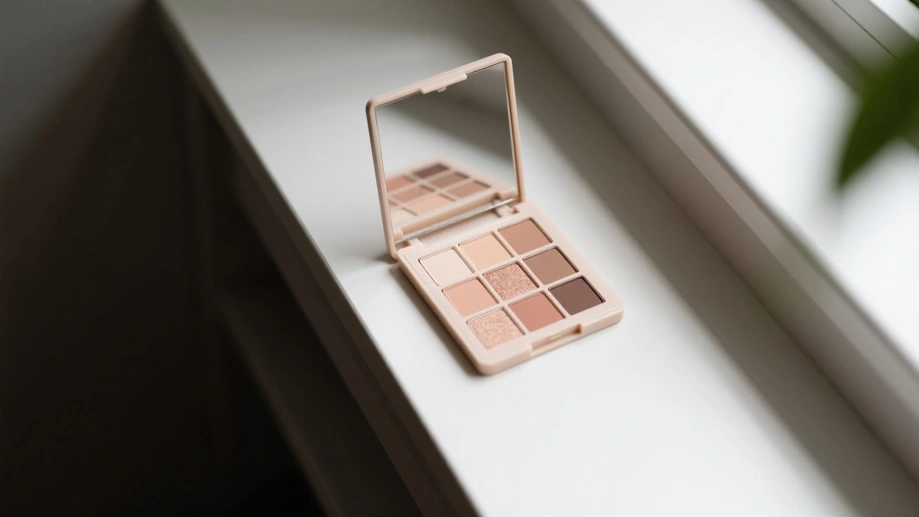
The physical design of contemporary palettes reflects thoughtful engineering principles. Square pans of pressed powder nestle securely within sturdy plastic or metal compacts, typically arranged in color-coordinated sequences that facilitate gradient creation. Packaging dimensions consistently measure between palm-sized squares for portability and larger rectangular palettes offering expansive color ranges. Storage occurs naturally within vanity drawers or makeup bags where flat surfaces prevent shifting, while magnetic closures ensure accidental spills remain rare despite daily handling in bathrooms or dressing areas.
Material composition follows strict cosmetic safety protocols while harnessing light-manipulating properties. Mica minerals provide iridescent shimmer through microscopic platelet structures that refract ambient lighting. Iron oxides deliver earthy matte tones, with particle sizes calibrated between 5-50 micrometers for smooth adhesion. Binding agents like zinc or magnesium stearate ensure cohesive application without requiring oil-based mediums. This chemistry enables powders to cling reliably to epidermal surfaces throughout waking hours while maintaining blendable textures that resist crumbling within their containers.
Practical deployment requires understanding fundamental environmental factors. Color longevity proves affected by humidity levels, necessitating drier settings for optimal wear as atmospheric moisture impacts powder integrity. Lighting variations drastically alter appearance perception, with daylight revealing true pigments while artificial illumination intensifies metallic finishes. Application typically occurs before mirrors under neutral lighting, with miniature brushes specifically designed for eyelid dimensions, their synthetic bristles maintaining hygiene standards essential for ocular health protection.
Selection hinges on discerning subtle chromatic relationships with biological characteristics. Fair complexions achieve natural enhancement using taupe and soft mauve tones, while olive skin finds radiance through terracotta metallics. Deep complexions gain dramatic definition via jewel-toned purples and emerald greens. Undertone differences—cool versus warm—further determine compatibility, with coordinating colors maintaining visual coherence within the entire facial composition rather than existing as isolated accents.
The transformation unfolds through scientific ingenuity translated into personal artistry. Minute particles adhering to skin create optical illusions of depth, shape alteration, and heightened expression without physical contour modification. This blend of geological resources and precise engineering results in accessible artistic tools, proving that within each compact's ordered grid lies potential for infinite ephemeral masterpieces.