
Skin Savvy: The Daily Ritual
Unveiling the science and simplicity behind everyday skincare essentials
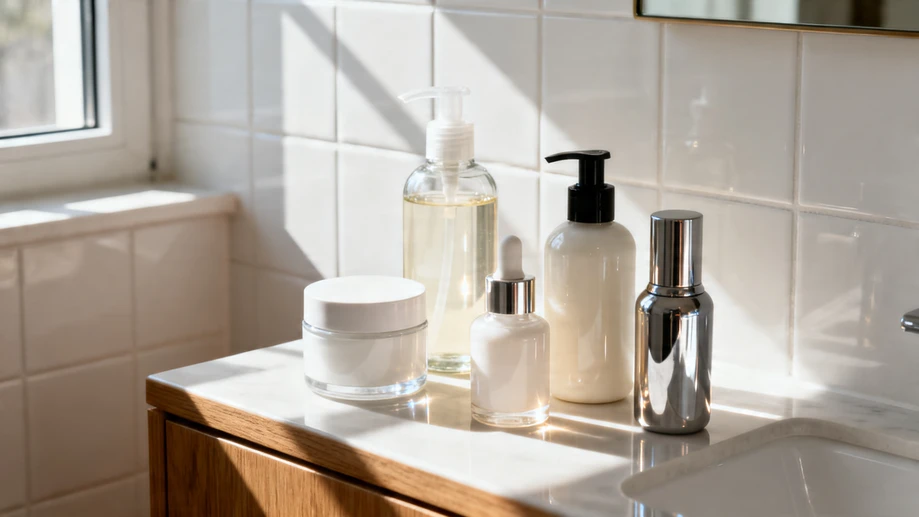
In the quiet corners of modern homes, skincare products have become silent guardians of health, seamlessly integrated into daily routines without fanfare. Bathroom counters, often adorned with neatly arranged bottles and jars, reflect a blend of science and simplicity. These items nestle beside sinks and mirrors, their presence as natural as the morning light filtering through windows. The essence of skincare lies not in complex laboratories but in the ordinary moments—like the gentle hum of a bathroom fan or the soft glow of a bedside lamp—where products await to address common concerns such as dryness or environmental stress. This everyday integration underscores a fundamental truth: skincare is a practical art, rooted in enhancing well-being through accessible, user-friendly formulations that harmonize with our living spaces.
Diverse categories of skincare items, from cleansers to moisturizers, each play distinct roles in maintaining skin vitality, their designs tailored to fit effortlessly into domestic settings. Cleansing gels and foams, for instance, often reside near sinks, their compact bottles complementing faucets and soap dishes to create a cohesive hygiene zone. Moisturizing creams, stored in elegant jars on vanity tables, blend with decorative elements like ceramic trays or wooden shelves, fostering a sense of balance and order. Sunscreens, with their portable tubes, might sit alongside keys or bags on entryway consoles, ready for quick application before stepping outdoors. This spatial harmony ensures that products are not just functional tools but aesthetic additions, enhancing the flow of daily life while addressing needs like hydration or protection against UV rays, all explained through straightforward, science-backed principles.
Key ingredients in these formulations, such as hyaluronic acid or antioxidants, derive from nature and technology, their benefits demystified for everyday understanding. Hyaluronic acid, found in serums kept in cool, dark drawers, mimics the skin's natural moisture-retaining abilities, working to plump and smooth without overwhelming the senses. Antioxidants like vitamin C, often in amber bottles to shield from light, combat free radicals from pollution, their presence in bedroom nightstands symbolizing a nightly defense ritual. These components are chosen for compatibility with human biology, yet their descriptions avoid jargon, focusing instead on how they interact with environmental factors—like humidity in a bathroom or dry air in a living room—to promote resilience. Such insights highlight the thoughtful engineering behind products, making science feel intuitive and relevant to home environments.
Incorporating skincare into daily life involves simple steps that align with natural rhythms, fostering consistency without disruption. Morning routines might begin with a cleanser applied at the sink, followed by a moisturizer dabbed on while facing a mirror, the products' textures and scents subtly enhancing the sensory experience. Evening rituals could include serums used under dim lighting, their application timed with relaxation to maximize absorption. Storage solutions, such as organizers in cabinets or open shelves, ensure items remain accessible yet unobtrusive, preventing clutter. This approach emphasizes adaptability: products are designed to withstand varied conditions, from steamy showers to air-conditioned rooms, ensuring they perform reliably. By framing usage as a seamless part of the day, the narrative educates on habits that build long-term skin health, all within familiar domestic scenes.
Common misconceptions about skincare, such as the belief that more products yield better results, are debunked through practical examples grounded in everyday logic. Overuse of exfoliants, for instance, can lead to irritation, a risk mitigated by storing them sparingly on shelves, away from daily essentials. Similarly, the myth that expensive items guarantee efficacy is countered by noting how affordable options often share core ingredients, their value proven through consistent use in home settings. Environmental factors, like seasonal changes, influence product choices—lighter lotions for summer heat on patio tables, richer creams for winter chills by heaters. This educational angle draws from real-life scenarios, reinforcing that effective skincare relies on balance and knowledge, not excess, all while maintaining the harmony of personal spaces.
Ultimately, the journey of skincare culminates in tangible benefits that enrich daily existence, its impact visible in the subtle glow of well-maintained skin. Products, when used mindfully, contribute to a sense of vitality, their presence in homes symbolizing self-care as a natural extension of life. This holistic view underscores that skincare is not about fleeting trends but sustainable practices, woven into the fabric of routines with ease. As the sun sets or rises, these essentials stand ready, their silent efficacy a testament to the beauty of simplicity, forever enhancing the spaces we inhabit.