
Most daily face cream usage habits people overlook can reduce the product’s safe usable period by nearly 40 percent
Exploring the hidden microbial risks hidden in casual product scooping behaviors and sharing zero-cost easy fixes to extend skin care product life without damaging formula quality
Almost every person who has a jar of face cream on their dresser has formed this tiny, unthinking habit after years of use, they finish their facial cleansing routine, wipe their hands lightly on a towel, and dip their index finger straight into the soft, rich formula to scrape out the amount they need for the day. Most of them believe their hands are completely clean at this moment, and there is no possible harm to the sealed skin care product that has not passed the marked expiration date, so they never bother to look for extra tools to complete this trivial step. This seemingly harmless small action, however, accumulates hidden risks that most users never notice, slowly breaking the stability of the carefully developed formula over the course of a few weeks.
Even if you use a strong antibacterial hand wash to scrub every inch of your hands before you touch the face cream, the natural resident flora that lives deep in your skin follicles and the thin layer of sebum that is secreted automatically by your fingertip skin can never be completely washed away. Every time your finger sinks into the cream, you bring a tiny amount of these naturally existing substances into the sealed environment of the jar, and every added particle of lipid becomes extra nutrient source for microorganisms that are already suppressed by the product’s mild preservative system. The preservative content added to regular skin care formula is strictly calculated to balance safety and low irritation for facial skin, it is never designed to resist a constant stream of new nutrient sources introduced by repeated finger dipping for months on end. After just four to six weeks of frequent bare finger usage, the total microbial count inside the jar can exceed the safety threshold set by the product developer, even if the cream still looks, smells and feels completely normal to the user.
A large number of skin care users who notice this early spoilage symptom often choose to move all their unopened or half-used cream products directly into the refrigerator to extend their shelf life, without realizing this common move brings more hidden harms than the original habit. Low temperature below 10 degrees Celsius will reduce the activity of most mild preservatives to a large extent, and the frequent temperature difference between taking the jar out of the cold fridge to use it in a warm room will generate tiny water condensation droplets on the inner wall of the jar, which will carry more external dust and microorganisms into the formula. Many users also find that their cream turns grainy or separates into oil and water layers after being stored in the fridge for a few weeks, which is a sign of the original emulsification structure being destroyed by constant temperature fluctuations, rendering most of the active ingredients in the formula unable to be absorbed properly by the skin.
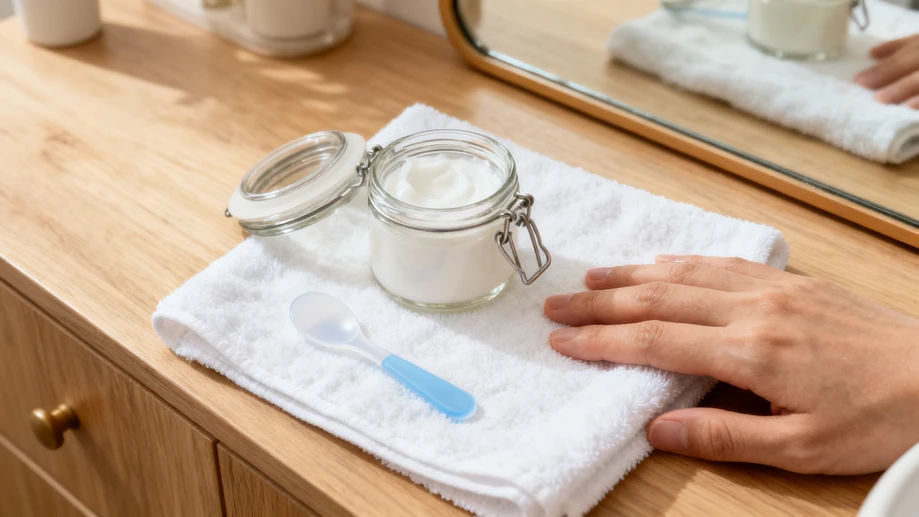
You do not need to buy expensive specialized airtight storage containers or divide your whole jar of cream into dozens of tiny single-use packages to avoid these problems, all you need are some extremely cheap, disposable small scoops or a clean piece of lint-free facial cotton pad. Before you scoop out the face cream every time, you can wipe the tip of your index finger gently with the cotton pad to remove the excess sebum and floating microorganisms that were not rinsed off during hand washing, or use the small scoop to take out the exact amount you need before closing the lid immediately. This tiny extra step only takes less than 3 seconds of your time each day, and it can effectively prevent external nutrients from being introduced into the jar, keeping the preservative system working at its designed efficiency for the full open period marked on the product packaging.
Many skin care related content spend a huge amount of time introducing complex ingredient lists and high-price new active components, but few creators remind users of the importance of these tiny, daily usage habits. A well maintained and stable skin care formula that stays free of excess microbial contamination will always bring far more gentle and effective skincare results than a brand new bottle of high concentration formula that gets contaminated and spoiled after a month of improper use. You do not need to waste extra money or spend too much extra time on complex maintenance work for your skin care products, as long as you adjust this one tiny usage habit, you can get the most out of every drop of the skin care products you already bought, while avoiding unexpected redness, breakouts or irritation caused by spoiled formula.