
Glowing Skin Essentials: A Practical Guide
Discover the Simple Steps to Everyday Radiance
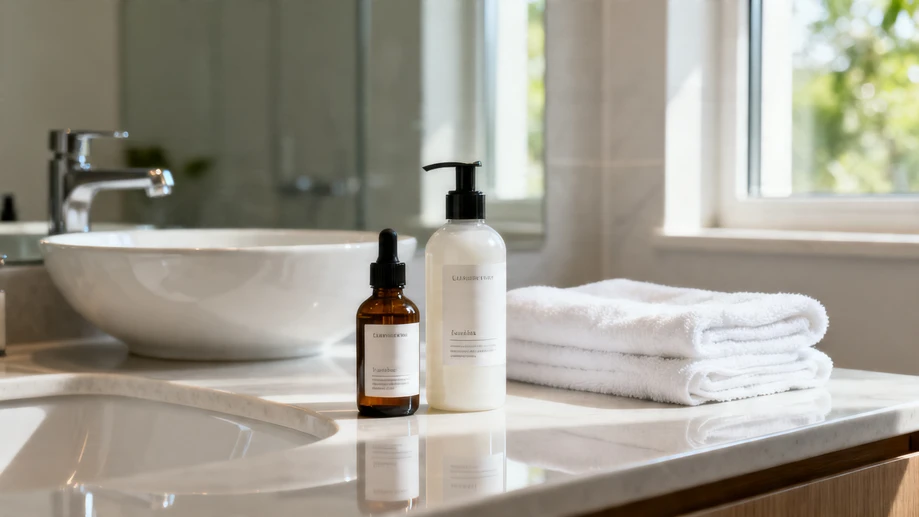
In the quiet corner of a well-lit bathroom, skincare products rest on a sleek countertop, their minimalist designs blending seamlessly with ceramic tiles and soft towels. This daily ritual begins with understanding the basics: skincare is not about complex routines but about harmonizing products with everyday environments. For instance, cleansers are often stored near sinks, where water flows easily, ensuring quick access during morning or evening routines. The focus here is on practicality—choosing items that fit naturally into domestic spaces, avoiding clutter. By selecting products with neutral packaging that complements bathroom decor, users create a calming atmosphere. This approach emphasizes how simple, science-backed formulations can enhance skin health without overwhelming daily life. The key is consistency; integrating these essentials into regular habits fosters long-term benefits, such as improved hydration and barrier protection, all while maintaining a balanced aesthetic in personal spaces.
Cleansers form the foundation of any skincare regimen, typically placed beside faucets for effortless use. In a modern bathroom setting, gel or foam cleansers sit in pump bottles that match chrome fixtures, creating a cohesive look. These products work by gently removing impurities like dirt and excess oil, preventing clogged pores without stripping natural moisture. For everyday life, water-based formulas are ideal, as they rinse cleanly and adapt to varied water qualities. The science behind this is straightforward: surfactants lift debris while hydrating agents maintain skin's pH balance. Choosing a cleanser involves considering skin type—oily skin benefits from lightweight foams, while dry skin thrives with creamier textures. This selection process should mirror the environment; for example, in humid climates, products with mattifying properties are stored in cool, dry spots to preserve efficacy. The result is a seamless integration where functionality meets design, promoting a stress-free start to the day.
Moisturizers follow cleansing, often kept on vanities or bedside tables for easy application. In a bedroom or dressing area, jars and tubes are arranged neatly on wooden surfaces, their earthy tones echoing natural elements like plants or woven baskets. These creams and lotions lock in hydration, using ingredients like hyaluronic acid to draw moisture from the air, which is especially effective in well-ventilated rooms. The adaptability of moisturizers shines in different seasons: lighter gels suit summer heat when placed near windows for quick access, while richer balms are ideal for winter, stowed in warmer spots to prevent thickening. This practical aspect ties into skin health—regular use strengthens the barrier against environmental stressors like pollution or dry air. By selecting products that complement room aesthetics, such as opaque containers that hide contents yet blend with decor, the routine becomes a soothing ritual. It underscores how everyday items can transform skin resilience without disrupting home harmony.
Sunscreen is a non-negotiable step, typically stationed near exits like hallways or entryways for daily application before stepping out. In these transitional spaces, bottles with UV-protective caps sit on shelves or consoles, their design echoing outdoor gear for a unified feel. These products shield skin from harmful rays using mineral or chemical filters, which work instantly upon application. The key to integration is portability; travel-sized tubes fit into bags or pockets, ensuring protection on the go. For home settings, larger dispensers are placed in shaded areas to avoid heat degradation, maintaining efficacy. This habit prevents long-term damage like premature aging, aligning with practical life tips: reapplying every two hours during outdoor activities keeps defense strong. The environmental fit is crucial—sunscreens with recyclable packaging reduce waste, while their placement near doors reinforces the habit. It's a silent guardian in daily routines, blending seamlessly into movements between indoor and outdoor worlds.
Specialized treatments, such as serums or masks, are reserved for weekly use, often stored in drawers or cabinets to maintain a clutter-free zone. In a serene living space, these items are tucked away yet accessible, their glass bottles reflecting ambient light without dominating the scene. Serums target specific concerns like brightening or firming, using concentrated actives that penetrate deeply when applied post-cleansing. Masks, on the other hand, offer intensive hydration or detoxification, suited for quiet evenings. The choice depends on skin needs—hydrating formulas for dry environments, exfoliating ones for urban settings with pollution. Storage is key: keeping them in dark, cool places preserves potency, much like how a well-organized shelf enhances room flow. This occasional use adds depth to the routine, emphasizing that skincare isn't about excess but strategic enhancement. It fosters a sense of balance, where products serve as tools for self-care without intruding on daily aesthetics.
Ultimately, a thoughtful skincare routine revolves around simplicity and environmental harmony. Products are selected not just for efficacy but for how they coexist with surroundings—whether in a bathroom, bedroom, or entryway. This approach minimizes waste and maximizes benefits, encouraging consistent habits that lead to healthier skin. By focusing on adaptable items that suit personal spaces, the ritual becomes a natural part of life, free from complexity. It's a reminder that true radiance stems from everyday care, where science meets serenity in the comfort of home.