
Beauty in a Bottle
Demystifying the Science and Symphony of Everyday Cosmetics
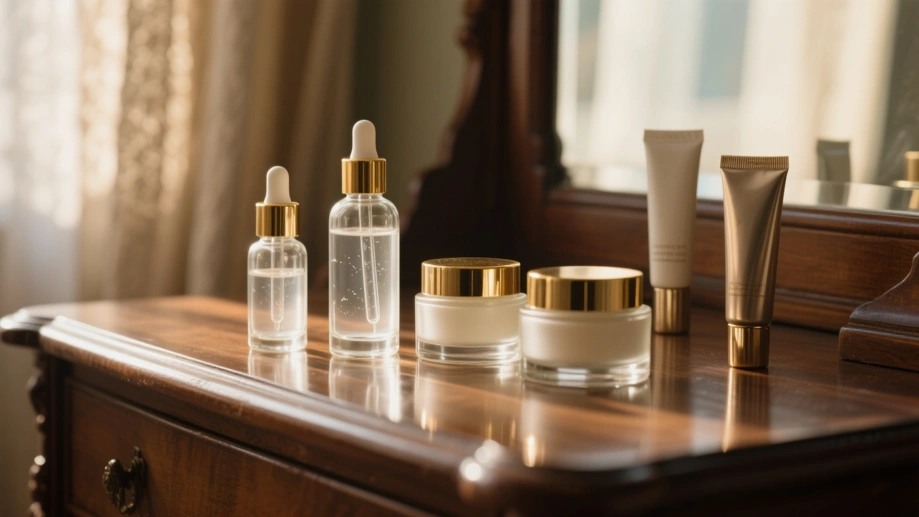
Look around your bathroom counter or dressing table. Amidst the everyday clutter of toothbrushes and combs, small vessels of creams, liquids, and powders hold a unique position. More than mere decoration, these cosmetics are the culmination of centuries of tradition, careful chemistry, and an understanding of human skin. They exist seamlessly within these personal spaces, their forms – tubes for precision application, jars for rich creams needing scooping, pump bottles for liquid foundations – designed intuitively for their purpose and placement. The clear glass bottle showcasing a golden oil shimmers next to the opaque moisturizer tub, creating a visual tapestry that speaks of routine and self-care within the comfortable familiarity of a well-lit, organized vanity or shower shelf.
The history of enhancing appearance stretches back millennia, long before the sleek counters of modern stores. Early humans utilized natural resources within their immediate environment to adorn themselves. Crushed berries provided rudimentary stains for lips and cheeks, earthy clays like ochre were smeared on skin, and fragrant oils extracted from seeds offered both scent and moisture. Ancient Egyptians famously used kohl, a mixture of soot and minerals, to outline their eyes, stored in simple pots found beside mirrors fashioned from polished metal, demonstrating a desire for definition and ritual integrated into daily life. These practices weren't isolated vanity but often held cultural, spiritual, or practical significance deeply embedded in their societies and utilizing locally abundant materials.
Modern cosmetics represent a sophisticated evolution of these ancient practices. Gone are the days of unpredictable concoctions; today's products rely on rigorously tested formulations that prioritize safety and efficacy. Key ingredients form the backbone of these formulations: Emollients, like plant oils and silicones, smooth and soften the skin, filling in microscopic cracks. Humectants, such as glycerin and hyaluronic acid, act like magnets, drawing moisture from the deeper layers of the skin or the atmosphere itself to hydrate the surface. Occlusives, including waxes and petrolatum, create a protective barrier on the skin's surface, locking moisture in and shielding delicate skin from harsh environmental elements. Preservatives are essential guardians, preventing contamination by microbes, ensuring the product remains safe and stable throughout its intended use by the sink or bathtub.
Understanding these core components helps decipher the labels on the bottles nestled beside your cleanser and hand soap. It reveals why a rich night cream might feel heavier (thanks to occlusives) than a lightweight daytime lotion (higher in humectants). Furthermore, cosmetics are meticulously tailored for specific skin types and concerns. Formulations for oily skin often contain ingredients like clay and salicylic acid to absorb excess sebum and refine pores, while those for dry skin are enriched with heavier emollients and nourishing butters. Sensitive skin products typically minimize fragrances and potential irritants, aiming for calmness on easily reactive complexions. This specificity means the ideal moisturizer for one person might feel uncomfortable on another, highlighting the importance of knowing one's skin and selecting compatible products for the dressing table.
Cosmetic science isn't isolated; it's deeply influenced by diverse cultural aesthetics and regional environmental factors, reflected in the global array of products found in stores and homes. Skincare routines prioritizing intense hydration and sun protection are paramount in climates with strong sun exposure. Conversely, cultures with distinct aesthetic ideals might focus on products offering brightening effects or specific coverage textures. Ingredients like green tea, rice bran, or snail mucin, popular in certain regions, showcase the utilization of local resources woven into modern beauty rituals. This rich tapestry of global traditions constantly informs and evolves product development, offering consumers near a vast selection catering to varied needs and preferences that arrive seamlessly on local shelves and into bathrooms worldwide.
Choosing cosmetics wisely involves looking beyond alluring packaging and marketing claims resting on the store shelf or counter. Becoming an informed consumer is crucial. Start by paying attention to ingredients lists, identifying the key functional components that determine the product's purpose. Patch testing a small amount on the inner arm before applying a new product extensively helps identify potential adverse reactions. Consider your individual skin type, concerns, and lifestyle. Sustainability is increasingly important; seek brands committed to responsible sourcing, ethical production, recyclable packaging, and minimizing environmental impact. Ultimately, cosmetics are tools designed to enhance comfort and confidence. By understanding their science, respecting individual needs, and making conscious choices about products sharing space with your daily essentials, you can navigate the beauty world effectively, turning your personal care routine into an act of informed well-being.