
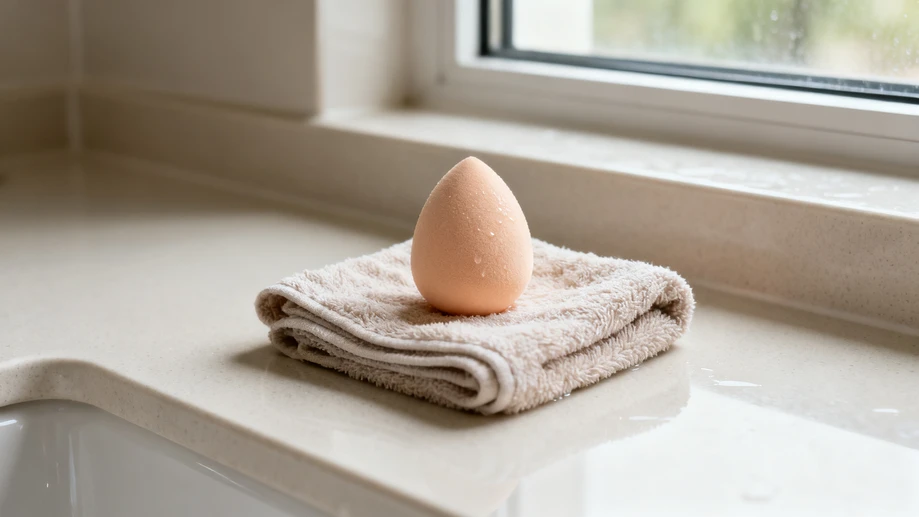
The overlooked gentle pressing drying method for pre-washed makeup sponges delivers far better hygiene and longer service life than common twisting approaches
Most casual makeup users have never realized that forcefully squeezing or wringing wet sponges can tear inner porous structures, trap leftover makeup residues and breed invisible harmful bacteria in only 3 to 4 days.
If you have ever gone through the experience of buying a new makeup sponge that feels soft, bouncy and creates a perfectly airbrushed base, only to find it turning stiff, lumpy and prone to leaving streaky patches on your face after less than two weeks of regular use, you are not alone. A huge number of beauty enthusiasts blame this rapid deterioration on poor product quality, or forget to wash the tool frequently enough, and rush to purchase new replacements every couple of weeks to avoid potential skin problems. Few people ever connect this frustrating outcome to the tiny, seemingly unimportant action they take every single time right after finishing the washing process: grabbing the wet sponge and twisting it hard between their palms to squeeze out as much water as possible in a few quick moves. This seemingly time-saving and labor-saving step is actually the top hidden cause that shortens the service life of makeup sponges and turns them into unhygienic germ breeding grounds.
Every standard makeup sponge is made of specially treated polyurethane foam with thousands of interconnected tiny open pores, which are designed to evenly absorb thin layers of liquid foundation, cream blush and other base makeup products without soaking up excessive amounts of formula that get wasted inside the foam. When you twist or wring the wet sponge with strong external force, you will permanently deform and tear these thin, delicate pore walls that are supposed to bounce back to their original shape after each use. The once smooth, evenly distributed pores get crumpled, folded and stuck together after repeated wringing, creating dozens of tiny hidden gaps that are impossible to reach with regular hand washing. Old foundation residues, sebum from your skin and tiny dust particles get trapped in these hard-to-clean gaps, and even if you soak the sponge in cleaning solution later, those embedded residues can never be fully flushed out.
The correct drying process that almost no casual makeup user follows is surprisingly simple, does not take much extra time, and brings obvious long term benefits that you can notice after just one or two uses. Right after you finish rinsing the sponge with gentle, residue-free cleaning solution under running lukewarm water, do not squeeze or twist it at all. Pick up a clean, unused cotton towel that does not have any loose lint on the surface, lay the wet sponge in the center of the towel, then fold the towel over the top of the sponge and press down steadily with the palm of your hand. You can shift the sponge to a dry section of the towel and repeat the pressing motion several times, until no more visible water can be squeezed out from the sponge when you apply gentle pressure, and the sponge feels far lighter than it did right after you took it out from the running water.
People who have tested this drying method side by side with the traditional wringing approach find that the sponge treated with the cotton pressing process dries completely in four to six hours in a well-ventilated cool area, which is almost twice as fast as the wrung sponge that usually takes more than ten hours to lose all inner moisture. The rapid drying process eliminates the long damp period that allows bacteria and mold spores to multiply quickly, so the sponge never develops the faint sour or musty odor that people often notice after leaving a wet sponge on the bathroom counter overnight. The full structure of the sponge remains intact and bouncy, so it never turns hard or crumbly even after three full months of regular weekly washing and proper pressing drying treatment.
This little makeup tool care tip also brings unexpected side benefits that are not mentioned in most common beauty tutorials. Since the porous structure of the sponge does not get damaged after pressing drying, it never sheds tiny loose foam crumbs onto your face while you are patting on liquid foundation, which means you no longer have to pick out those tiny stray bits from your finished base makeup before you step out of the door. You also do not have to waste extra amounts of facial cleanser and makeup remover at the end of the day to wash away the hidden bacteria residues transferred from the damaged sponge to your facial skin, which greatly reduces the possibility of random breakouts, redness and small inflammatory pimples that many people mistake for ordinary cosmetic allergies. Following this tiny, easy adjustment to your regular makeup tool cleaning routine can help you save a surprising amount of money on frequent sponge replacements, and keep your daily makeup application process far cleaner and more comfortable.