
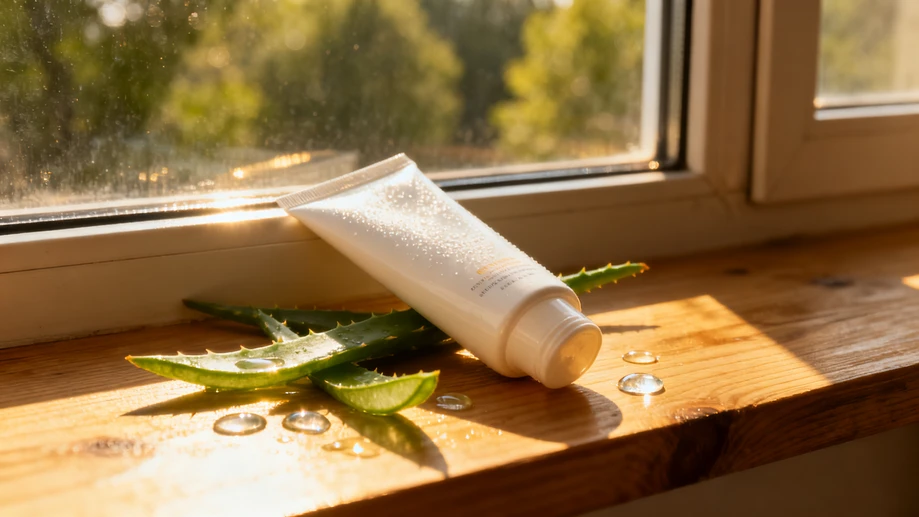
The Essential Truth About Daily Sunscreen Use You Can't Afford to Ignore
Discover why skipping sunscreen even on cloudy days could be damaging your skin more than you realize
Many skincare enthusiasts meticulously follow elaborate routines yet overlook one fundamental step: daily sunscreen application. This oversight often stems from misconceptions about weather conditions or indoor safety. The reality is that ultraviolet radiation penetrates clouds, windows, and even clothing with surprising efficiency. Just as plants require consistent sunlight to thrive, our skin accumulates damage from constant UV exposure whether we perceive the sunlight or not. This invisible threat operates silently beneath our awareness until damage manifests years later as premature aging or pigmentation issues.
Ultraviolet rays consist of UVA and UVB wavelengths that attack skin differently but equally dangerously. UVB rays primarily cause surface-level sunburns during peak daylight hours while UVA rays penetrate deeper into the dermis year-round. These longer waves trigger collagen breakdown and DNA damage regardless of temperature or cloud coverage. Shockingly, up to 80% of ultraviolet radiation passes through moderate cloud cover according to dermatological studies. Car windshields and office windows block only UVB rays while freely transmitting skin-aging UVA rays that accelerate wrinkle formation and cellular degradation.
The cumulative effect of intermittent protection reveals itself through accelerated photoaging signatures. Unlike immediate sunburn symptoms, collagen depletion occurs gradually through repeated oxidative stress. Free radicals generated by UV exposure break down skin's supportive framework like microscopic termites gnawing at structural timbers. Each unprotected exposure adds to this damage portfolio, meaning that ten minutes of daily sun exposure over a decade causes significantly more harm than occasional beach days. Preventative investment in sunscreen today saves extensive corrective treatments tomorrow.
Effective defense requires understanding application techniques as much as product selection. Proper coverage demands applying a full quarter-teaspoon to the face alone and reapplying every two hours during sun exposure. Physical blockers containing zinc oxide provide immediate protection upon application while chemical formulas require thirty minutes to activate. Many underestimate the importance of ears, neck and décolletage coverage leading to noticeable discoloration disparities over time. For optimal absorption, apply sunscreen as the final step in your skincare ritual before makeup, allowing each layer to fully penetrate first.
Modern formulations have evolved beyond thick, pore-clogging pastes to lightweight textures that complement skincare regimens. Innovative technologies create breathable barriers that don't compromise ingredient absorption from serums or moisturizers. Water-resistant options now withstand humidity without triggering breakouts while tinted versions offer mineral protection with cosmetic benefits. The key remains consistency rather than chasing SPF numbers; daily use of SPF 30 provides exponentially better protection than sporadic application of SPF 100.
Integrating sunscreen into morning routines should become as habitual as tooth brushing. Place tubes beside coffee makers or toothpaste as visual reminders until practice becomes instinct. Consider it compounded interest for your skin's future where small daily investments yield dramatic long-term dividends. Contemporary understanding positions sunscreen not as seasonal armor but as essential skincare nutrition akin to hydration. Those embracing this philosophy discover that consistent protection becomes the cornerstone of any truly effective beauty regimen.