
The Silent Guardians of Your Skin
How Everyday Formulations Work in Harmony with Your Environment
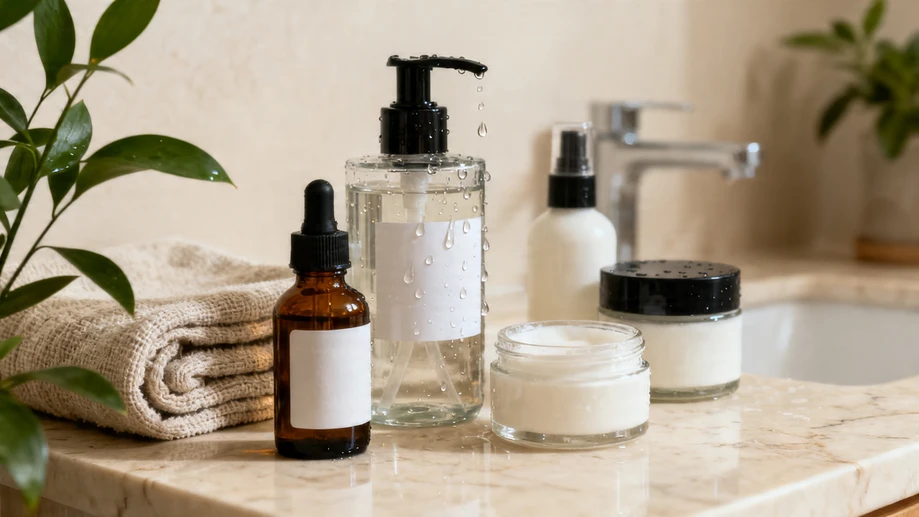
Morning light filters through frosted bathroom windows, catching the elegant curve of a ceramide serum bottle beside a neatly folded linen towel. This tranquil tableau represents more than aesthetics; it's a testament to how modern skincare integrates seamlessly into living spaces while performing biological symphonies. The science of topical formulations has evolved beyond clinical jars to embrace environmental intelligence – products now account for humidity levels absorbed by bathroom tiles, UV exposure from window proximity, and even the pH shifts caused by mineral content in tap water. These silent guardians work within the ecosystem of your home, their efficacy enhanced by thoughtful placement away from steamy showers and direct sunlight, preserving active ingredients like vitamin C and retinol from degradation.
Consider the humble cleanser resting on your shower caddy. Its pH-balanced formula exists in delicate negotiation with your skin's acid mantle and the mineral composition of your water supply. Hard water regions demand chelating agents to prevent soap scum formation on skin, while soft water areas allow gentler surfactants. Modern gel-to-oil cleansers demonstrate spatial awareness too – their non-slip packaging prevents dangerous shower tumbles, while quick-rinse formulas conserve water. The evolution from harsh alkaline soaps to today's microbiome-respecting blends mirrors how skincare science adapts to both human biology and ecological responsibility, with concentrated formats reducing plastic waste and carbon footprint.
Moisturizers exemplify environmental symbiosis. Hyaluronic acid serums draw moisture not just from their water-based solutions, but from ambient humidity – making them ideal for display on vanity tables rather than enclosed cabinets. Night creams in opaque jars protect light-sensitive ingredients like peptides while complementing bedroom aesthetics with minimalist design. The latest barrier-repair formulations contain smart polymers that respond to indoor heating dryness in winter and summer's humidity spikes, maintaining optimal hydration regardless of climate control systems. Their textures shift seasonally too: feather-light emulsions for summer's muggy nights, richer ceramide-infused butters when radiators parch the air.
Sun protection illustrates perhaps the most crucial environmental dialogue. Modern mineral sunscreens with zinc oxide create invisible shields that deflect UV rays bouncing off bathroom mirrors and car windows. Their formulations now avoid coral-harming chemicals, reflecting growing awareness of how skincare ingredients impact broader ecosystems. Packaging innovations include beach-friendly, reef-safe tubes that resist sand infiltration, while smart labels change color when UV exposure compromises efficacy during outdoor activities. This category demonstrates how skincare functions within concentric environmental circles – from bathroom countertops to global ecosystems – requiring products to perform reliably whether placed poolside or on an office desk near sun-drenched windows.
The unsung heroes are stability-preserving packaging technologies. Airless pumps prevent oxidation by creating vacuum seals, allowing transparent bottles to showcase elegant formulas without light degradation – perfect for well-lit modern bathrooms. Dark glass droppers protect potent botanicals while permitting precise dosage on quartz countertops. Even the weight distribution of luxury jars considers slippery marble surfaces. This marriage of material science and domestic engineering ensures products maintain potency while coexisting gracefully with ceramic basins, woven storage bins, and other elements of curated living spaces. The result is skincare that performs consistently whether housed in a minimalist floating shelf or a vintage apothecary cabinet.
Ultimately, contemporary skincare represents a convergence point where biochemistry meets environmental design. From humidity-activated hydrators to temperature-responsive textures, these formulations engage in constant dialogue with their surroundings. Their silent efficacy depends on understanding placement – vitamin C serums away from steamy showers, retinols in cool drawers, SPF within reach of entryway consoles. This environmental intelligence transforms daily rituals into harmonious exchanges between human skin and habitat. As we arrange these elegant vessels in our personal spaces, we participate in a sophisticated dance of preservation, where science and surroundings collaborate to maintain skin's luminous equilibrium.