
Most lightly preserved cosmetic and skincare formulas degrade far faster than their printed expiry dates when exposed to inconsistent warm humid conditions.
We often overlook the fact that bathroom heat, shower steam and frequent temperature swings can damage the texture, safety and effectiveness of regular cosmetic products in just a few short weeks.
It is a pretty universal habit to arrange all your skincare bottles, cream jars and makeup tubes right on the shelf above the bathroom sink, so you can grab whatever you need right after stepping out of the shower or finishing your facial cleanse, without walking to another room or fumbling through stacked storage boxes. Nearly every person who uses cosmetics has checked the small printed expiry mark on the outer packaging at least once, and taken for granted that the product will remain perfectly usable up until that exact date, as long as the seal is broken for no more than 12 months as the small open-jar icon suggests. Few people stop to connect their random unexpected breakouts, mild stinging after applying toner, or weird grainy texture of their once-smooth face cream to something as trivial as where they have been storing these products.
The core of most wash-free skincare products like moisturizers, serums and cream foundations is a stable emulsified system, which combines water-based active ingredients and oil-based nourishing components with the help of mild emulsifiers, to create a smooth, spreadable texture that does not separate on its own under normal conditions. When the surrounding temperature keeps going up and down rapidly, as it does in a small enclosed bathroom every time you run a hot shower, the molecular structure that binds water and oil molecules together will start to loosen at a speed far faster than formulators anticipated when they tested the products in constant temperature settings. Most of the time the early stage of this structural breakdown is completely invisible to the naked eye: you will not see a clear layer of oil floating on the top of your cream, nor will you notice odd lumps forming in the serum, but the evenly distributed ratio of active ingredients and base formulation has already been ruined completely. That means one pump of your serum might deliver three times the stated concentration of soothing actives that will irritate your sensitive skin, and the next pump from the same bottle barely has any nourishing compounds at all, leaving you confused about why the exact same product performs so differently on random days.
This uneven distribution of components does not only affect the use experience and final effectiveness of the products, it also breaks down the protective system that formulators carefully designed to keep microbial growth under control. The preservatives added into most cosmetic formulas are carefully calibrated to a specific concentration that can fend off small amounts of bacteria introduced by fingers touching the product surface or opening the lid in regular indoor environments. When repeated high temperature steam seeps into the gap of the container lid and raises the internal temperature of the product continuously, a large portion of the preservative molecules will break down and lose their original functions, leaving no sufficient protection to stop mold, yeast and common skin bacteria from multiplying in the nutrient-rich cream base. A large number of mild skin irritations that people usually attribute to seasonal sensitivity or incompatible new products are actually triggered by hidden excessive microbial content in the half-used cosmetic jars that have been stored in a steamy bathroom for over a month.
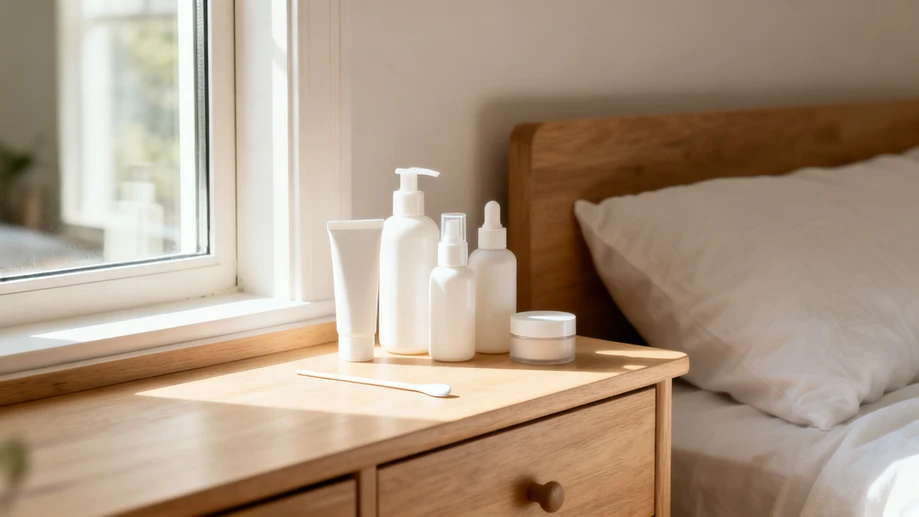
You do not need to move all your cosmetics into a refrigerator to avoid this problem, as overly low constant temperature will also make some emulsified formulas separate and let certain temperature-sensitive active ingredients lose their activity prematurely. All you need to do is pick a dry, cool storage spot far away from the direct splashing of shower water and the reach of rising hot steam, where the ambient temperature stays steadily between 15 and 25 degrees Celsius, and no direct strong sunlight will hit the surface of the packaging for hours each day. Replace the habit of dipping your dry fingers directly into the cream jar with a small, clean plastic or silicone spatula to avoid introducing extra foreign substances into the product system every time you use it, and wipe the outer surface of the bottle neck and lid with a clean dry tissue once every week to get rid of accumulated sticky product residue that can carry bacteria into the jar when you close the lid.
This tiny, easy-to-follow adjustment to your cosmetic storage habit will let every drop of the products you spend a lot of time and money selecting perform exactly the way it is designed to, delivering the full amount of nourishing and caring effects you expect from the very first day you open the package. It is far more cost-effective to make a small change to your daily storage routine than replacing your full set of skincare products every few months for no clear reason, and you will never run into the awkward situation where a well-loved half-used jar of cream suddenly goes bad long before its printed expiry date.