
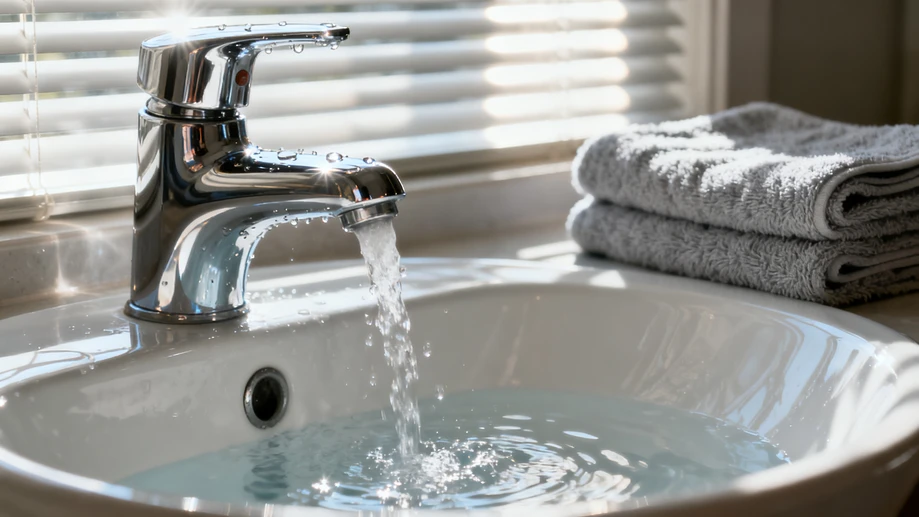
Is Your Morning Splash of Water Secretly Aging Your Skin?
Unlocking the surprising science behind water temperature for truly radiant and youthful-looking skin every day
Picture this: you stumble into the bathroom at dawn, half-asleep, and instinctively turn the faucet to steaming hot for that comforting splash of water. It feels luxurious, almost therapeutic, as the warmth envelops your face. But what if this daily ritual is quietly sabotaging your quest for perfect skin? The temperature of your cleansing water isn't just about comfort—it's a critical factor influencing everything from pore size to natural moisture barriers. While hot water feels indulgent, it strips away essential oils with alarming efficiency, leaving your skin defenseless against environmental stressors. This thermal shock triggers inflammation pathways that accelerate collagen breakdown over time, making fine lines more pronounced. The revelation? Your ideal water temperature might be cooler than you'd ever imagine.
Transitioning to cooler water delivers immediate visible benefits that go beyond mere comfort. When tepid water contacts the skin, blood vessels undergo vasoconstriction—a tightening effect that temporarily minimizes the appearance of pores. This physiological reaction creates an instant toning effect, giving skin a smoother, more refined texture without expensive serums or treatments. Simultaneously, cooler temperatures prevent the excessive dehydration caused by hot water, helping maintain the skin's natural lipid barrier. This protective layer, composed of ceramides and fatty acids, functions like microscopic mortar between your skin cells, locking hydration inside while blocking pollutants. By preserving this barrier, cooler water helps combat dryness and irritation that often follow aggressive cleansing routines.
Beyond immediate surface effects, the magic of temperature adjustment operates at a cellular level. Alternating between cool and lukewarm water stimulates microcirculation, creating a natural "pumping" action that delivers oxygen and nutrients to skin cells. This enhanced blood flow brings a healthy flush to the complexion, mimicking the effects of light exercise for your face. The invigorated cells then work more efficiently to repair daily damage from UV exposure and pollution. Moreover, cooler water helps regulate sebum production more effectively than harsh hot-cold extremes. When skin isn't stripped of its natural oils, sebaceous glands don't overcompensate by producing excess oil—meaning fewer breakouts and more balanced hydration throughout the day.
Implementing this change requires neither drastic measures nor complicated routines. Begin by finishing your regular cleanser application with a cool-water rinse, gradually lowering the temperature over several days to allow skin to adapt. For maximum benefit, incorporate a 10-second cold compress after cleansing by soaking a washcloth in chilled water and gently pressing it against your face. This simple technique enhances pore tightening while reducing morning puffiness. Crucially, avoid icy extremes which can cause capillary damage; aim for refreshingly cool rather than painfully cold. Pair this temperature adjustment with gentle pat-drying instead of rubbing to preserve the skin's delicate surface.
Observing these changes reveals fascinating transformations beyond mere comfort adjustments. Within weeks, most notice decreased redness and irritation as the skin barrier strengthens. Makeup application becomes smoother as balanced oil production creates an ideal canvas. Perhaps most remarkably, fine lines appear softened as improved hydration plumps the skin's surface. This isn't about enduring uncomfortable rituals but rediscovering water's natural intelligence—a resource available in every tap that, when harnessed correctly, becomes your most powerful skincare ally. The path to glowing skin might literally flow from your faucet, waiting for you to turn the dial toward cooler, kinder temperatures.