
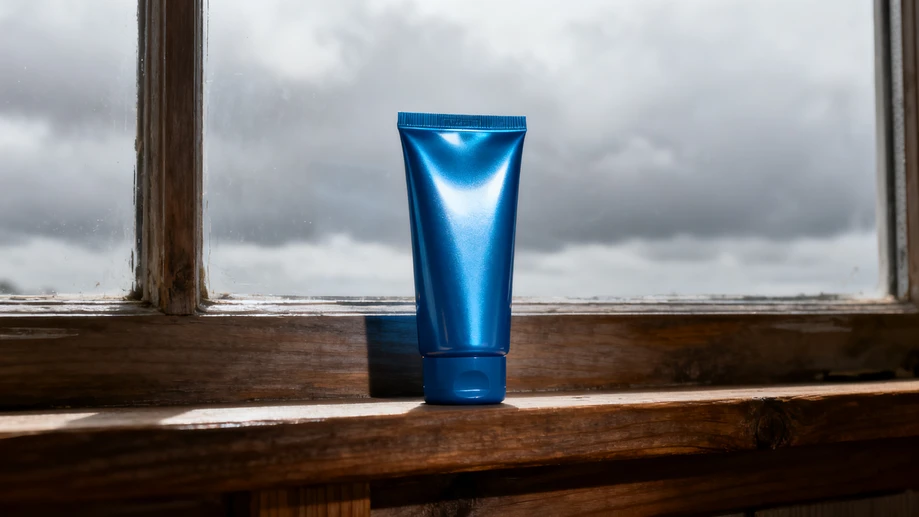
Sunscreen Works Behind Cloudy Skies Too for Skin Protection
Understanding why UV radiation penetrates cloud cover makes daily sunscreen crucial for long-term skin health maintenance
Many people believe sunscreen becomes unnecessary when clouds blanket the sky, treating it as an optional step reserved solely for beach days or summer picnics. This common misconception stems from the visible absence of sunshine, creating a false sense of security that allows harmful ultraviolet radiation to silently wreak havoc on unprotected skin. The reality proves quite different—clouds actually filter less than 20% of damaging UV rays, with thick storm clouds still permitting up to 80% penetration. This invisible assault continues year-round, regardless of temperature or apparent weather conditions.
Sunscreen functions as a protective shield against two distinct types of ultraviolet radiation with differing biological impacts. UVB rays primarily affect the skin's outer layers, causing sunburns and playing a significant role in developing skin cancers. UVA rays penetrate much deeper, reaching the dermis where they accelerate photoaging through collagen breakdown and DNA damage. While UVB intensity fluctuates with seasons and weather patterns, UVA radiation maintains remarkably consistent strength throughout the year, easily traversing cloud cover, window glass, and even light clothing with minimal attenuation.
Daily application provides cumulative protection against subtle yet progressive damage manifested through wrinkles, dark spots, and loss of elasticity. Unlike immediate sunburns that signal excessive exposure, UVA damage accumulates silently over months and years before becoming visibly apparent. Just fifteen minutes of unprotected exposure while driving or walking outdoors contributes to this degenerative process. The compounding effect means skipping sunscreen repeatedly on overcast days creates significant long-term consequences comparable to occasional intense sun exposure during vacations.
Effective protection requires proper selection and consistent usage habits. Opt for broad-spectrum formulations labeled SPF 30 or higher, ensuring coverage against both UVA and UVB radiation. Apply generously—most adults need approximately a teaspoon for the face and neck area alone—thirty minutes before anticipated exposure. Don't neglect often-missed zones like ears, hairline, back of hands, and eyelids where skin cancers frequently develop. Reapplication every two hours remains essential during prolonged outdoor activities since sweat, friction, and natural oil production gradually diminish sunscreen's protective film.
Integrating sunscreen into daily routines transforms it from a seasonal chore to an automatic habit. Place tubes next to toothpaste, moisturizer, or car keys as visual reminders until the ritual becomes ingrained. Modern formulations offer lightweight textures that absorb quickly without greasy residues, effectively eliminating comfort barriers. While no sunscreen provides complete immunity, consistent use significantly slows photoaging processes and reduces cancer risks. When cloudy skies tempt you to skip application, remember that ultraviolet radiation requires no visible sunlight to inflict lasting cellular damage beneath your skin's surface.